
In our increasingly digital world, convenience is king. QR codes, the small, pixelated squares we see everywhere, have become a symbol of this seamless efficiency. From restaurant menus and payment terminals to event tickets and marketing materials, a quick scan with our smartphone connects us instantly to the information or service we need. This widespread adoption, however, has opened a new frontier for cybercriminals. What was designed for convenience has been weaponized into a tool for theft and deception, a practice now widely known as “quishing” (QR code phishing). A simple, innocent scan can now lead to devastating consequences, including drained bank accounts, stolen personal data, and malware-infected devices. Understanding the mechanics of these scams is the first and most critical step in protecting yourself.
This article delves into the world of QR code scams. We will explore the most common schemes targeting unsuspecting individuals in everyday situations, from paying for parking to browsing a dinner menu. More importantly, we will equip you with the knowledge and simple verification habits necessary to distinguish a legitimate QR code from a malicious trap. By the end, you will be able to navigate the digital landscape with greater confidence, ensuring that the convenience of a QR code doesn’t come at the cost of your financial security.
Table of Contents:
- The Rise of Quishing: How a Simple Square Became a Threat
- Anatomy of Deception: Common QR Code Scams in Daily Life
- Your First Line of Defense: Simple Habits for Safe Scanning
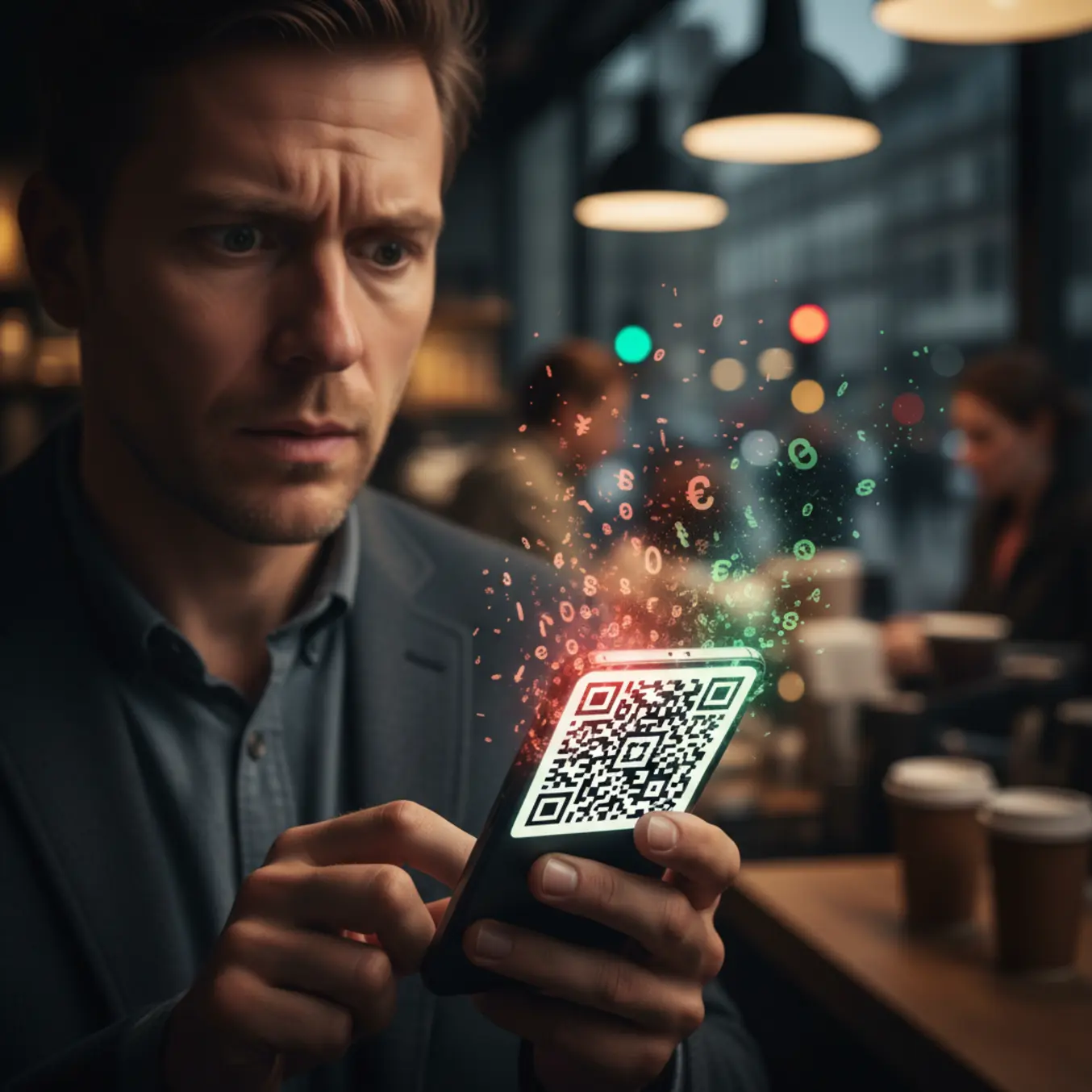
The Rise of Quishing: How a Simple Square Became a Threat
To effectively combat QR code scams, we first need to understand the technology and the methods criminals use to exploit it. The very features that make QR codes so appealing to businesses and consumers—their speed, ease of use, and ability to bridge the physical and digital worlds—are the same ones that make them attractive to scammers. They serve as a covert delivery mechanism for malicious links, bypassing the visual scrutiny we might apply to a typed-out web address.
What Exactly is a QR Code?
A QR (Quick Response) code is essentially a two-dimensional barcode. While a traditional barcode stores a small amount of information in a single line, a QR code can store thousands of characters of data in a matrix of black and white squares. This data can be anything from simple text to a website URL, contact information, or Wi-Fi network credentials. When you scan a QR code with your smartphone’s camera, the device’s software interprets the pattern and performs the programmed action, most commonly opening a webpage in your browser. This immediacy is its greatest strength and its most significant vulnerability.
Understanding Quishing (QR Code Phishing)
Quishing is a portmanteau of “QR code” and “phishing.” Phishing is a type of cyberattack where criminals impersonate legitimate organizations to trick individuals into revealing sensitive information such as passwords, credit card numbers, or personal identification details. Traditionally, phishing attacks are delivered via email or text message (smishing). Quishing simply uses a QR code as the delivery method.
Here’s why it’s so effective:
- It Bypasses Human Scrutiny: When you see a link in an email, you might hover over it to check the destination URL. With a QR code, the underlying URL is completely hidden. You are trusting that the physical context of the code (e.g., on a restaurant table or a parking meter) is legitimate.
- It Evades Technical Security: Many corporate and personal email systems have sophisticated filters that can detect and block malicious links. However, a QR code is just an image. Security software cannot easily “read” the image to determine if the embedded link is dangerous, allowing these threats to slip past automated defenses.
- It Creates a False Sense of Security: We have been conditioned to trust QR codes in physical spaces. We see them used by reputable companies and government agencies, which lowers our guard. A scammer exploits this trust by placing their malicious code in a location where we expect to see a legitimate one.
The goal of the quishing attack is the same as any phishing scam: to redirect you to a malicious destination. This could be a fraudulent website designed to steal your login credentials, a fake payment portal to capture your financial details, or a site that automatically downloads malware onto your device. The FBI has issued public warnings about the sharp increase in these schemes, highlighting how criminals are adapting old tactics to this new and highly effective vector.
Anatomy of Deception: Common QR Code Scams in Daily Life
QR code scams are not abstract, high-tech heists; they are happening in the most mundane of places. Scammers are experts at social engineering, understanding that placing a malicious code in the right context is all it takes to fool someone. Let’s examine some of the most prevalent scenarios.
The Parking Meter Payment Trap
Imagine you’re in a hurry to park your car. You see a sticker on the parking meter with a QR code and a message like, “Pay for Parking Here!” or “Convenient Payment via QR.” It seems like a modern, efficient solution provided by the city. You scan the code, and it takes you to a professional-looking website that asks for your license plate number and credit card details. You enter the information, pay for two hours, and go about your day.
In reality, you’ve just fallen victim to a scam. A criminal placed a sticker with their malicious QR code over the legitimate payment information or on a blank space on the meter. The website you visited was a clone designed solely to harvest your payment details. The scammers now have your name, credit card number, expiration date, and CVV code, which they can use for fraudulent purchases or sell on the dark web. To add insult to injury, since you never actually paid the municipality, you might return to find a parking ticket on your windshield.
The Contaminated Restaurant Menu
The COVID-19 pandemic accelerated the shift to digital menus in restaurants, with QR codes on every table becoming the norm. While convenient and hygienic, this also created a prime opportunity for fraudsters. A scammer can easily print their own QR code stickers and, during a busy service, discreetly place one over the real code on a table.
An unsuspecting diner scans the code, expecting to see a list of appetizers and entrees. Instead, the malicious link could lead to several harmful outcomes:
- A Phishing Website: The site might prompt you to “log in to our Wi-Fi” or “join our loyalty program for a discount,” asking for personal details like your email, phone number, and password.
- Malware Installation: The link could trigger a drive-by download, silently installing spyware or other malware on your phone. This malware could then log your keystrokes, steal your contacts, or access your banking apps.
- A Fake Payment Portal: Some scams redirect to a page for “ordering and paying at your table,” tricking you into entering payment information that goes directly to the criminal.
The Fake Parcel Delivery Notice
This scam preys on the anticipation and frequency of online shopping deliveries. A criminal leaves a fake “missed delivery” notice in your mailbox or on your front door. The notice, often designed to look like it’s from a major carrier like UPS, FedEx, or DHL, will instruct you to scan a QR code to reschedule your delivery or arrange a pickup.
When you scan the code, you’re taken to a convincing-looking phishing site. The site will ask for your tracking number (which was on the fake slip) and then request personal information to “verify your identity.” The final step often involves asking for a small “redelivery fee,” which requires you to enter your credit card details. As the Federal Trade Commission (FTC) warns, this is a classic tactic to steal both your personal and financial information in one go. You lose the “fee” and give the scammers everything they need for identity theft.
The core principle of these scams is the exploitation of context and trust. A QR code is just a key; its safety depends entirely on the trustworthiness of the door it unlocks. Scammers simply replace a safe door with a dangerous one when you’re not looking.
Your First Line of Defense: Simple Habits for Safe Scanning
While the threat of quishing is real, the good news is that you can significantly reduce your risk by adopting a few simple, cautious habits. It’s not about avoiding QR codes altogether, but about approaching them with a healthy dose of skepticism and a critical eye. Think of it as looking both ways before crossing the street—a small, automatic check that can prevent a major disaster.
Here are the essential verification habits to incorporate into your routine:
- Physically Inspect the QR Code: Before you even point your camera at it, take a close look at the code itself. Is it a sticker? Does it look like it has been placed on top of another sign, image, or an existing QR code? Scammers often use low-quality stickers that can be easily identified if you look for uneven edges, a different texture, or a slightly raised surface. If anything looks tampered with or out of place, do not scan it.
- Preview the Link Before Opening: This is one of the most powerful tools at your disposal. Most modern smartphone cameras (both iPhone and Android) will display a preview of the destination URL on your screen before you tap to open it. Take a moment to read this URL carefully.
- Does it match the company it purports to be from? For example, a QR code for PayPal should lead to a URL beginning with paypal.com, not paypal.payment-center.net or some other variation.
- Look for typos and misspellings (typosquatting), such as Amaz0n.com or FedlEx.com.
- Be wary of URL shorteners (like bit.ly or tinyurl) in contexts that feel official, like a payment portal. While not always malicious, they are often used by scammers to obscure the true destination of the link.
- Be Skeptical of Unsolicited QR Codes: If you receive a QR code you were not expecting, treat it with extreme suspicion. This applies to codes on flyers left on your car, in unsolicited emails, or on “missed delivery” notices for packages you didn’t order. Scammers often use a sense of urgency or curiosity to compel you to scan, claiming you’ve won a prize or that an account needs immediate attention. As advised by cybersecurity agencies like CISA, always question the source.
- Never Download Apps from QR Codes: Legitimate applications should only be downloaded from official app stores like the Apple App Store or Google Play Store. A QR code that prompts you to download and install an app directly (sideloading) is a massive red flag. This is a common method for distributing malware that can take over your device.
- Context is Key—Question the Request: Always consider what the QR code is asking you to do. A code on a museum exhibit should lead to more information, not a login page. A menu code should display food items, not ask for your credit card details to “view the premium menu.” If the action prompted by the scan seems illogical or out of place for the situation, it is almost certainly a scam. Never provide login credentials or payment information through a link accessed via a QR code unless you are absolutely certain of its legitimacy. For payments, it is often safer to manually type the website address or use the company’s official app.
If you have fallen victim to a QR code scam, the situation can feel overwhelming, but swift action is crucial. The first steps should be to contact your bank or credit card provider to block any fraudulent transactions and monitor your accounts for suspicious activity. However, recovering stolen funds, especially those lost through complex digital schemes, often requires specialized expertise.
This is where Nexus Group can provide critical assistance. Our team is composed of experts in forensic investigation and fund recovery who understand the intricate pathways of digital theft. We work tirelessly to trace and retrieve stolen assets. At Nexus Group, we are so confident in our methods and dedicated to our clients’ success that we offer a guarantee: we either recover your funds, or you receive a full refund of our service fee. This commitment ensures that you can pursue recovery with peace of mind, knowing your case is in the hands of professionals dedicated to achieving justice on your behalf. There is no financial risk in fighting back against the criminals who wronged you.
The convenience of QR codes will continue to be a part of our lives, and by staying informed and vigilant, you can enjoy their benefits without falling prey to those who exploit them. Remember to inspect, preview, and question every scan. If you suspect you have been a victim or need assistance in recovering from a financial scam, do not hesitate to reach out to professionals. Your security is paramount.
For a free consultation and to learn more about how we can help you recover your stolen funds, Contact us.
