
The global push towards sustainability has opened up new and exciting avenues for conscientious investors. Among the most discussed are carbon credits, a market designed to combat climate change by allowing individuals and corporations to offset their carbon footprint. This burgeoning field, however, is not without its perils. As the demand for green assets grows, so does the opportunity for fraudulent actors to exploit well-intentioned investors. Carbon credit investment scams are becoming increasingly sophisticated, preying on the public’s desire to invest ethically while promising extraordinary financial returns. These schemes often use a veneer of environmental responsibility to hide their true purpose: to separate you from your money.
Understanding the intricacies of the carbon market is the first line of defense. Scammers thrive on complexity and information asymmetry, using jargon and opaque processes to confuse their targets. They create an illusion of exclusivity and urgency, pushing investors to make hasty decisions without proper due diligence. This article will serve as your guide to navigating the complexities of carbon credit investments. We will dissect the tactics used by fraudsters, from promoting projects on vague or non-existent registries to promising inflated future values that have no basis in reality. By shining a light on these red flags, we aim to empower you with the knowledge needed to identify and avoid these deceptive green asset offers, protecting both your portfolio and your peace of mind.
Table of Contents:
- Understanding the Carbon Credit Market and the Scam Landscape
- Major Red Flags in Carbon Credit Investment Offers
- Your Shield Against Fraud: Essential Due Diligence Practices
- What to Do if You Have Fallen Victim to a Scam
Understanding the Carbon Credit Market and the Scam Landscape
To effectively identify a scam, one must first grasp the fundamentals of the legitimate market. A carbon credit is a tradable permit or certificate that represents the right to emit one tonne of carbon dioxide (CO2) or the equivalent amount of a different greenhouse gas. These credits are generated by projects that reduce, avoid, or remove greenhouse gas emissions from the atmosphere, such as reforestation initiatives, renewable energy farms, or methane capture facilities. The market is broadly divided into two categories: the compliance market and the voluntary market.
The compliance market is government-regulated and involves companies that are legally required to offset their emissions. The voluntary market, on the other hand, allows corporations, organizations, and individuals to voluntarily purchase carbon credits to offset their emissions or for investment purposes. It is this less-regulated voluntary market where most investment scams targeting individuals take place. Scammers exploit its complexity and the general public’s limited understanding of its mechanics.
The Anatomy of a Typical Carbon Credit Investment Scam
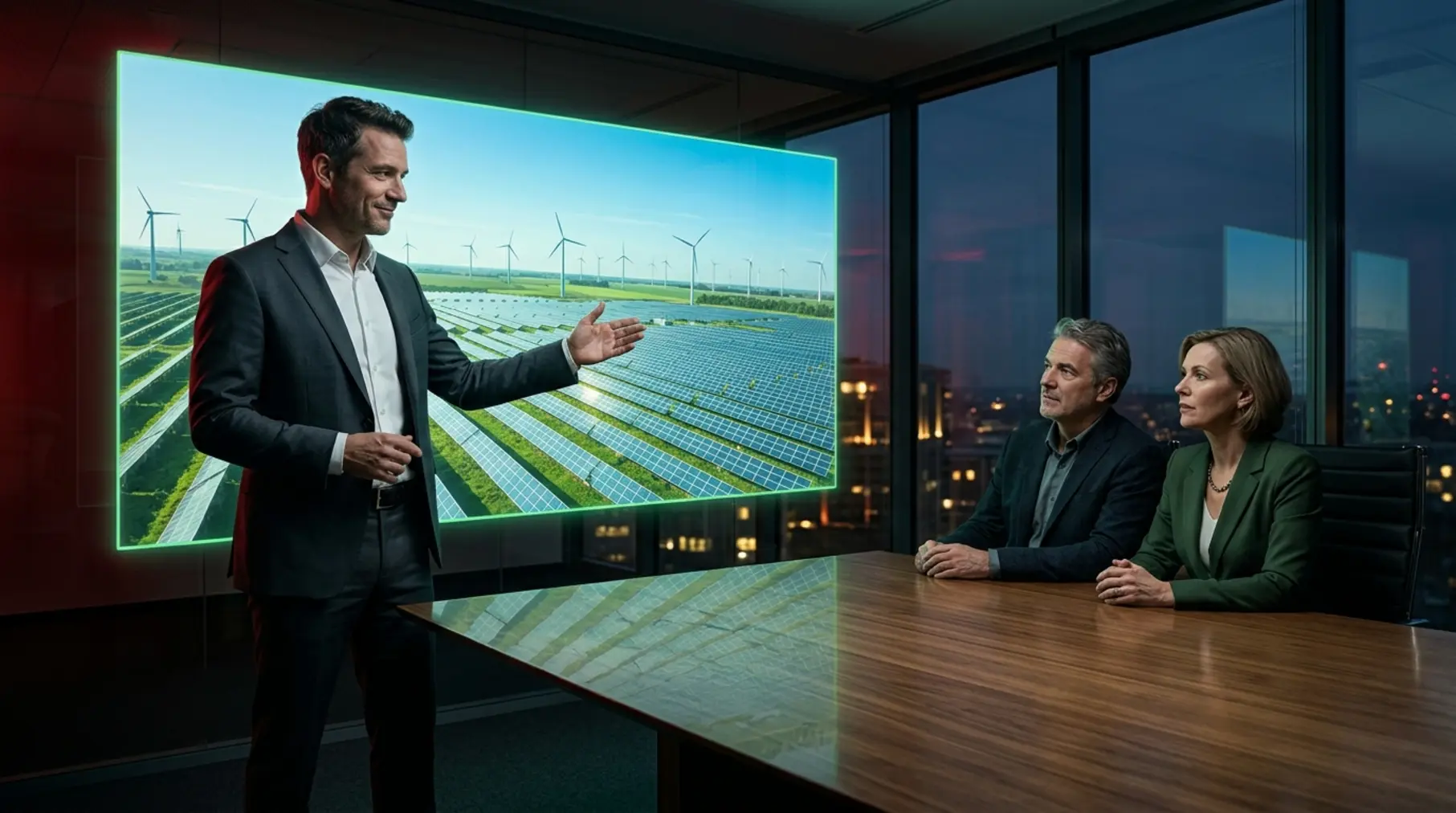
The scam often begins with an unsolicited approach—a cold call, a professional-looking email, or a targeted social media advertisement. The salesperson will be charming, articulate, and appear highly knowledgeable. They will speak of the “booming” green economy and the “once-in-a-lifetime” opportunity to get in on the ground floor of the carbon credit market. They paint a picture of an investment that is not only financially lucrative but also ethically sound, allowing you to “do your part for the planet” while earning substantial profits.
The pitch will be filled with impressive-sounding but ultimately hollow promises. They will claim that major corporations are about to enter the market and drive prices “to the moon.” You will be shown glossy brochures and directed to a sophisticated-looking website that details the carbon-offsetting projects you are supposedly investing in. However, when pressed for specifics, the details become fuzzy. This is a deliberate tactic designed to overwhelm you with information while preventing any real scrutiny. The ultimate goal is to pressure you into transferring funds quickly, often into an account with little to no connection to a legitimate carbon credit registry. Once the money is sent, the scammers may disappear, or they may continue the charade for a while, even showing you a fake online portal where your “investment” is supposedly growing in value, all to entice further investment before they vanish completely.
Why This Market is a Prime Target for Fraudsters
The voluntary carbon market presents a perfect storm of conditions for fraudsters. Firstly, it is a relatively new and complex asset class for the average retail investor, making it difficult to distinguish between legitimate opportunities and fraudulent ones. Secondly, the lack of a centralized, regulated exchange for individuals means there is no transparent pricing mechanism, allowing scammers to invent prices and future value projections out of thin air. Thirdly, the emotional appeal of “green” investing makes potential victims more susceptible. People want to believe they are making a positive impact, and scammers are adept at manipulating this goodwill. This emotional hook can override the logical and critical thinking necessary to vet an investment properly. These factors combine to create fertile ground for sophisticated investment scams that are difficult for the untrained eye to detect.
Major Red Flags in Carbon Credit Investment Offers
Vigilance is your greatest asset when presented with an investment opportunity in the carbon credit space. Scammers rely on a predictable set of tactics designed to short-circuit your critical thinking. By learning to recognize these red flags, you can stop a fraudulent scheme in its tracks before you suffer any financial loss.
Vague Registries and Unverifiable Projects
This is perhaps the most critical technical red flag. Legitimate carbon credits are issued, tracked, and retired on established, independent, and publicly accessible registries. These registries act as the official record-keepers, ensuring that each credit is unique and cannot be sold more than once. The most reputable international registries include Verra (Verified Carbon Standard), Gold Standard, American Carbon Registry, and Climate Action Reserve.
A scammer will often do one of three things to bypass this verification step:
- They will claim to operate their own “proprietary” registry. This is a major warning sign. A private registry controlled by the seller offers no independent verification and is likely a complete fabrication.
- They will be extremely vague about the registry, using generic terms like “the European registry” or “our international database” without providing a specific name or a link to a public website.
- They may mention a real registry but will be unable to provide the specific project ID or serial numbers for the credits they are selling. Without these unique identifiers, you cannot independently verify the credits’ existence or ownership on the public registry.
Always demand the specific project name, ID, and the public registry where the credits are listed. If the seller refuses, evades the question, or directs you to a website that is not a recognized, independent registry, you are almost certainly dealing with a scam.
Inflated Future Values and Unrealistic ROI Promises
The core of any investment scam is the promise of guaranteed, unusually high returns. In the context of carbon credits, this often manifests as claims that the value of your credits will multiply in a short period. You might hear pitches like, “These credits are currently trading at $10, but with the new regulations coming in, we project they will be worth over $100 within 18 months.”
“Get in now before the institutional investors pile in! We have inside information that major corporations are about to buy up these exact credits, and the price is going to skyrocket. This is a limited opportunity for a select few.”
This kind of language is a hallmark of high-pressure sales and should be treated with extreme skepticism. The voluntary carbon market is volatile, and while prices may increase over time, there are no guarantees. The value of a credit depends on numerous factors, including the type of project, its location, the verification standard, and overall market demand. Anyone promising a specific, high rate of return is not representing the market truthfully. A legitimate broker or advisor will always highlight the risks alongside the potential rewards. The lack of risk disclosure is a tell-tale sign of many types of investment scams.
High-Pressure Sales Tactics and Artificial Urgency
Scammers do not want you to think. They want you to act on emotion—fear of missing out (FOMO), in particular. To achieve this, they employ a range of high-pressure sales tactics designed to rush you into a decision. Be wary of any of the following:
- Artificial Urgency: Phrases like “This offer is only available today,” “The price is going up tomorrow,” or “We only have a small allotment of these credits left” are used to create a false sense of scarcity.
- Claims of Exclusivity: The seller might tell you that this opportunity is only being offered to a select group of investors, making you feel special and privileged.
- Relentless Follow-Up: If you show hesitation, you will be bombarded with calls and emails, pressuring you to commit before you have time for proper due diligence.
- Discouraging Outside Advice: A common tactic is to advise you against speaking with a financial advisor or lawyer, claiming they “don’t understand” this new market and will only slow you down.
A legitimate investment opportunity will still be there tomorrow. The professionals behind it will encourage you to take your time, conduct your own research, and seek independent financial advice. Anyone who pressures you to “act now” is likely more interested in their commission than in your financial well-being.
Your Shield Against Fraud: Essential Due Diligence Practices
Protecting yourself from carbon credit scams boils down to methodical and skeptical due diligence. Do not take anything the seller says at face value. Your mantra should be “trust, but verify”—and in the case of an unsolicited offer, you should skip the trust and go straight to verification. Every claim, every document, and every promise needs to be independently substantiated before a single dollar leaves your account.
The first step is to verify the identity of the company and the individual you are dealing with. Check if the company is registered with the appropriate financial regulatory body in your country. Search for reviews, news articles, and any history of complaints against them. Remember that a slick website and professional branding can be created easily; they are not proof of legitimacy. A deep dive into the company’s history is crucial for avoiding fraudulent investment scams.
Next, focus on the asset itself. Insist on receiving the unique serial numbers for the carbon credits being offered. With these numbers, you can go to the website of the public registry they claim to use (e.g., Verra’s VCS Registry, the Gold Standard Registry) and search for those credits. The registry will tell you if the credits exist, what project they came from, their current status (e.g., active or retired), and critically, who the current owner is. If the seller cannot provide these details or if the information does not match the public record, walk away immediately.
Finally, you must have a clear understanding of all associated fees and the exit strategy. Scammers are often vague about how you will eventually sell your credits to realize a profit. Ask direct questions:
- What are all the fees involved? (e.g., purchase fee, administrative fee, transfer fee, annual holding fee)
- How and where can I sell these credits? Is there an established secondary market for them?
- Will you facilitate the sale? If so, what is your commission?
- What is the process for transferring the credits to a buyer?
A legitimate seller will have clear, straightforward answers. A scammer will offer vague promises about a “future market” or claim they will “handle everything” without providing concrete details. The lack of a clear and viable exit strategy means your investment has no way of turning into actual returns, rendering it worthless.
What to Do if You Have Fallen Victim to a Scam
Realizing you have been deceived by an investment scam can be a devastating experience, both financially and emotionally. It is important to remember that these fraudsters are professionals who are masters of manipulation, and falling victim is not a reflection on your intelligence. The most crucial step is to act quickly and decisively.
The first thing to do is cease all contact with the fraudulent company. They will often try to extract more money from you under the guise of “taxes” or “fees” required to release your profits, which of course, do not exist. Do not send them any more funds. Gather all documentation you have related to the investment, including emails, bank transfer receipts, contracts, and any marketing materials they provided. This evidence will be vital for the recovery process.
Navigating the aftermath of a sophisticated fraud can be incredibly complex. This is where professional assistance becomes invaluable. At Nexus Group, we specialize in asset recovery for victims of complex financial fraud, including carbon credit investment scams. Our team of experts understands the intricate methods these scammers use to obscure their tracks and move funds across borders. We leverage our knowledge and experience to trace your assets and pursue all available avenues for recovery.
At Nexus Group, we understand the complexities of these fraudulent schemes. We are committed to helping victims navigate the recovery process, offering a guarantee to recover your funds or provide a full refund of our fees.
If you suspect you have been a victim of a carbon credit investment scam, do not delay. The sooner you act, the greater the chances of a successful recovery. Let our team of specialists help you fight back against the fraudsters and work towards reclaiming what is rightfully yours.
For a confidential consultation to discuss your case, please Contact us.
