
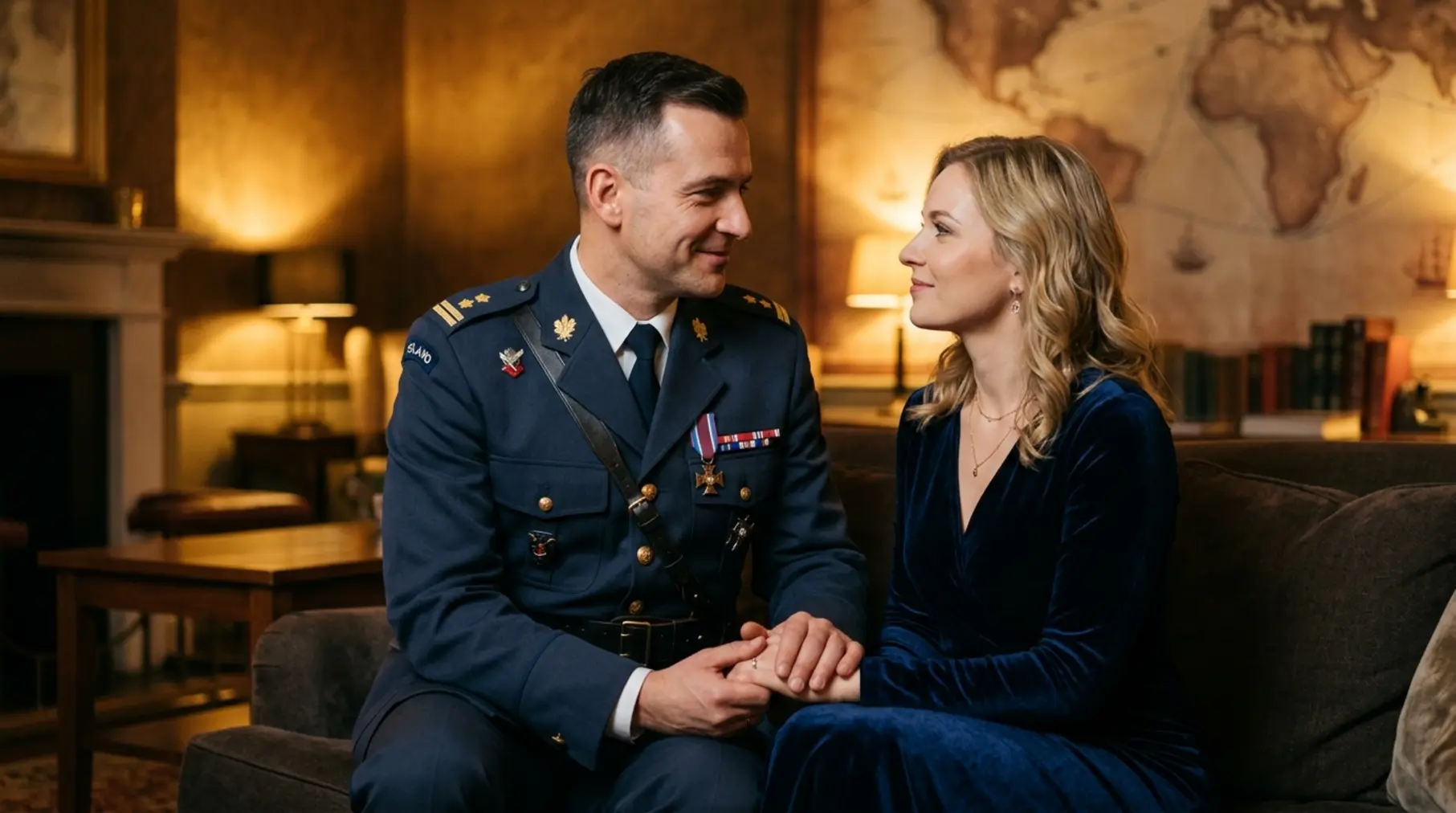
The image of a service member in uniform evokes powerful feelings of honor, duty, and sacrifice. For many, this image represents the pinnacle of trustworthiness and integrity. It is this deeply ingrained respect and admiration that criminals exploit in a particularly cruel and effective form of deception: the military romance scam. These predators steal the identities of real soldiers, sailors, airmen, and marines to build a persona designed to win hearts and empty bank accounts. They wrap their lies in the flag, using stories of dangerous deployments and classified missions to create an elaborate fantasy that feels undeniably real to their targets.
Falling for one of these schemes is not a sign of foolishness; it is a testament to the scammer’s skill in psychological manipulation. They prey on empathy, loneliness, and the desire to support a hero. The financial devastation is often catastrophic, but the emotional betrayal can be even more profound, leaving victims with shattered trust and deep-seated shame. This article will dissect the intricate tactics used by military romance scammers, from their use of stolen photos and fabricated deployment stories to their carefully planned requests for money. We will provide you with the essential knowledge to identify the red flags, verify a service member’s identity, and take crucial steps to protect yourself. And if you have already become a victim, we will outline the path to preserving evidence and seeking professional help to recover your losses.
Spis treści:
- The Anatomy of a Military Romance Scam: Building a Fake Hero
- The Psychological Playbook: Weaving a Web of Deceit
- Decoding the Red Flags: From Subtle Clues to Urgent Demands
- Your Defense Strategy: Verification, Preservation, and Action
- The Path to Recovery: Reclaiming Your Life and Finances
The Anatomy of a Military Romance Scam: Building a Fake Hero
At the core of every military romance scam is a carefully constructed, entirely fraudulent identity. Scammers do not create these personas from scratch; they steal them. They scour the internet, particularly social media platforms like Facebook and Instagram, for public profiles of actual service members. They download dozens of photos and videos: images in dress uniform, in combat gear, with family, and during training exercises. This collection of stolen media becomes the foundation of their fake profile, lending it an immediate and powerful air of authenticity.
The Power of the Stolen Uniform
The choice to impersonate military personnel is a strategic one. A uniform is a symbol of trust and authority. The person wearing it is perceived as brave, disciplined, and dedicated to a cause greater than themselves. Scammers leverage these inherent assumptions to bypass the natural skepticism one might have when meeting a stranger online. They know that their target is more likely to believe their stories and forgive inconsistencies because of the respect commanded by the uniform. The scammer’s profile will often feature a high-ranking officer or a special forces operator, roles that add an extra layer of mystique and importance to their fabricated identity.
The backstory is just as important as the photos. The scammer will craft a narrative designed to elicit sympathy and admiration. Common elements include:
- Being a Widower: Often, the fake soldier will claim their spouse died tragically, leaving them to raise a child alone. This story line makes them seem like a devoted parent and a sensitive soul, while also conveniently explaining the absence of a partner.
- Having No Family: They may claim to be an orphan or to have lost contact with all their relatives. This serves a critical purpose: it isolates the victim, making them the scammer’s sole source of emotional and, eventually, financial support.
- Nearing Retirement: Many scammers will say they are just a few months away from retiring from a long and distinguished military career. This creates a sense of a shared future, giving the victim a tangible goal to look forward to and invest in.
Crafting the Deployment Narrative
Once the persona is established, the scammer introduces the central element of their deceit: the deployment. They will claim to be stationed in a remote or dangerous location, such as Afghanistan, Syria, Iraq, or on a “secret peacekeeping mission” in an undisclosed country. This narrative is a masterstroke of manipulation because it provides a plausible explanation for all the logistical challenges that would otherwise expose the lie.
The deployment story allows the scammer to:
- Avoid Video Calls: They will claim that for security reasons, video communication is forbidden on their base. They might say the connection is too poor or that their operations are classified, preventing them from showing their face or surroundings.
- Maintain Inconsistent Communication: The scammer can disappear for days at a time, claiming they were on a dangerous patrol, on a mission with no internet access, or in a blackout period. This creates a sense of drama and worry, deepening the victim’s emotional investment.
- Prevent In-Person Meetings: The most obvious benefit of the deployment story is that it makes a physical meeting impossible. They are “stuck” overseas, and the only way they can be together is if the victim helps them.
This entire framework is designed to build a powerful emotional bond under the guise of patriotism and support for a hero in a perilous situation. It is a cynical exploitation of goodwill, setting the stage for the financial phase of the scam.
The Psychological Playbook: Weaving a Web of Deceit
Military romance scammers are masters of psychological manipulation. Their success hinges not just on a convincing fake profile, but on their ability to exploit human emotions like loneliness, empathy, and the desire for a deep, meaningful connection. They follow a well-rehearsed script, moving their targets from initial contact to deep emotional dependency with chilling efficiency. This process is a key component of all romance scams, but it is amplified by the military context.
Phase One: Love Bombing and Accelerated Intimacy
The scam begins with a phase known as “love bombing.” The scammer bombards the target with attention, affection, and flattery. They will send messages morning and night, professing their admiration and claiming to have found their soulmate. The language is often poetic and intense, filled with promises of a shared future, marriage, and eternal love. This overwhelming flood of affection is designed to accelerate the relationship, creating a powerful bond in an unnaturally short period. For someone feeling lonely or unappreciated, this sudden, intense adoration can be incredibly intoxicating and difficult to resist.
The scammer will mirror the victim’s interests, values, and dreams, making it seem as if they are a perfect match. They quickly establish a routine of daily communication, making themselves an indispensable part of the victim’s life. Within weeks, or even days, they will be using terms of endearment and talking about a future together as if it were a foregone conclusion.
Phase Two: Secrecy, Isolation, and Trust Building
Once the emotional hook is set, the scammer begins to introduce elements of secrecy and exclusivity. The “top-secret” nature of their mission becomes a central theme. They will share “confidential” details about their work, confide their fears about being in a warzone, and make the victim feel like they are the only person in the world they can trust. This creates a powerful “us against the world” dynamic.
“I can’t tell anyone else this, but our base is in a very dangerous area. You’re the only person who knows how I truly feel. I trust you with my life.”
This tactic serves multiple purposes. It makes the victim feel special and trusted, reinforcing their bond. It also provides a ready-made excuse for any inconsistencies in their story or behavior. Any attempt by the victim’s friends or family to raise doubts can be dismissed as them “not understanding” the realities of a secret military life. The scammer will actively encourage this isolation, framing concerned loved ones as outsiders who are trying to sabotage their perfect relationship.
This phase is all about solidifying trust so that when the inevitable requests for money begin, the victim is fully primed to help their hero without question.
Decoding the Red Flags: From Subtle Clues to Urgent Demands
While scammers are skilled at their craft, their scripts are often repetitive and contain numerous red flags. Recognizing these warning signs is the most effective way to protect yourself before you become emotionally and financially entangled. The clues range from subtle inconsistencies in their communication to overt and increasingly desperate requests for money.
The Inevitable Ask: How Scammers Monetize Trust
After weeks or months of building trust, the scammer will pivot to the financial exploitation phase. The requests for money always begin small and are tied to a believable, urgent problem. They test the waters to see if the victim is willing to send money, and once the first payment is made, the demands escalate.
Common financial requests in military romance scams include:
- Communication Fees: A classic tactic is the claim that they need money to pay for a special satellite phone, a secure internet connection, or a calling card to continue speaking with the victim. They will frame it as an essential expense to maintain their relationship. In reality, the U.S. military provides its members with various means to communicate with family and friends for free.
- Requests for Leave: This is one of the most common and elaborate lies. The scammer will claim they can take leave to visit the victim, but they first need money to pay for leave papers, processing fees, or a substitute to cover their duties. This is unequivocally false. The U.S. military does not charge its members for taking leave.
- Transportation Fees: Following the “leave request” scam, they will ask for money for plane tickets to fly home. They may even send fake itineraries or booking confirmations. They will often add a layer of urgency, claiming a ticket price is about to go up or that it’s the last flight available.
- Medical Emergencies: The scammer might claim they, or their child back home, have had a medical emergency that is not covered by military insurance. This plays directly on the victim’s empathy.
- “Safe-Keeping” and Customs Fees: A highly manipulative tactic involves the scammer claiming to have found a large sum of money or valuable gems while on a mission. They will say they need to ship these items to the victim for “safe-keeping” but need money to cover shipping, insurance, or bribes to get the package through customs. The package, of course, does not exist.
These requests are always urgent and accompanied by emotional pleas and promises of repayment as soon as they get back home. They will pressure the victim to act quickly, preventing them from thinking logically or consulting with others. The methods of payment requested are also a red flag: scammers prefer irreversible methods like wire transfers, gift cards, or cryptocurrency, which are nearly impossible to trace and recover.
The intricacy of these stories highlights how these schemes are a particularly cruel form of online fraud, specifically designed to exploit a person’s best intentions.
Your Defense Strategy: Verification, Preservation, and Action
Protecting yourself from a military romance scam requires a combination of skepticism, proactive verification, and a willingness to trust your instincts. If you are already entangled in a situation that feels suspicious, it is crucial to take immediate steps to preserve evidence and seek help. The shame and embarrassment of being duped can be overwhelming, but taking action is the only way to stop the financial bleeding and begin the process of recovery.
Proactive Verification: Your First Line of Defense
Before you become too emotionally invested, perform some basic due diligence. A real person with a real life will have a verifiable digital footprint. A scammer’s identity is a house of cards that will collapse under the slightest scrutiny.
- Perform a Reverse Image Search: This is the single most powerful tool at your disposal. Take the profile pictures they use and upload them to a reverse image search engine like Google Images or TinEye. In most cases, you will find the same photos on the real social media profiles of the service member whose identity has been stolen, or on websites dedicated to exposing scammers.
- Analyze Their Profile: Look for signs of a fake profile. Does it have very few friends or followers? Was it created very recently? Are the photos generic and lacking personal context (e.g., no pictures with friends or family, only solo shots in uniform)?
- Question Inconsistencies: Pay close attention to their stories. Do their details about military life seem vague or incorrect? Do they mix up military jargon or branches? A real service member can answer specific questions about their job, their rank, and their unit. A scammer will deflect or give generic answers.
- Insist on a Live Video Chat: Do not accept excuses. A live, real-time video chat is the only way to confirm you are speaking to the person in the photos. If they consistently refuse, claiming security restrictions or bad internet, it is a massive red flag.
Preserving Evidence: The Key to Recovery
If you suspect you are being scammed or have already sent money, the most important thing you can do is preserve all evidence of your interactions. This information is vital for reporting the crime to law enforcement and for any fund recovery efforts. Do not delete anything, no matter how embarrassing it may feel.
You should save:
- All Communications: Take screenshots of their dating profiles and social media pages. Save all text messages, emails, and chat logs from platforms like WhatsApp, Google Hangouts, or Messenger.
- Financial Records: Keep detailed records of every transaction. This includes wire transfer receipts, bank statements, gift card codes, and cryptocurrency wallet addresses (both yours and the one you sent funds to).
- Scammer’s Information: Save any phone numbers, email addresses, and names (even if fake) that the scammer used.
This evidence creates a paper trail that can be used by professionals to trace the flow of your money. Many victims feel an urge to erase all traces of the scammer, but this can severely hamper any chance of getting your funds back. It’s essential to understand that these sophisticated scams are crimes, and this documentation is your primary evidence.
The Path to Recovery: Reclaiming Your Life and Finances
Discovering you have been the victim of a military romance scam is a devastating experience. The first step is to acknowledge that you were targeted by a professional criminal and that it is not your fault. The next step is to take decisive action to protect yourself and begin the process of recovery.
First, cease all contact with the scammer immediately. Do not respond to their pleas, threats, or promises. Block them on all platforms. Second, report the crime to the relevant authorities, such as the FBI’s Internet Crime Complaint Center (IC3) and the Federal Trade Commission (FTC). While law enforcement may not be able to recover your money, filing a report is an important step.
Most importantly, seek professional assistance for fund recovery. Navigating the complex web of international wire transfers and cryptocurrency transactions is nearly impossible for an individual. Companies like Nexus Group specialize in asset recovery and have the expertise and tools to trace and reclaim stolen funds. We understand the sophisticated methods used by scammers and can work with financial institutions and crypto exchanges to track down your money. For victims who have lost a significant amount, this professional intervention offers the most realistic chance of recovery.
We know that victims are often hesitant to spend more money after being scammed. That is why Nexus Group offers a guarantee of fund recovery or a full refund, providing a risk-free path to reclaiming what you’ve lost. You do not have to go through this alone. Our team is here to provide expert guidance and a concrete plan of action.
If you or someone you know has been targeted by a military romance scam, do not wait. The sooner you act, the higher the probability of a successful recovery. Contact us for a free, confidential consultation to discuss your case and learn how we can help you fight back.
